SIFMA Ops 2026 made one thing clear: the industry has moved decisively beyond anticipation and into action. Across panels and discussions, the focus was no longer on what might change—but on what must now be delivered.
Davies engaged with senior stakeholders across the capital markets ecosystem and observed a consistent shift in mindset. Strategy remains essential, but execution—at pace, at scale, and with control—is now the defining factor separating leaders from laggards in an increasingly complex environment.
Collective Takeaways: A Davies Perspective
1. Instant settlement is setting the direction
With T+1 now stabilised, attention is shifting toward T+0. Firms are actively evaluating trade-offs between liquidity, funding, and operational readiness—no longer debating whether change will happen, but how quickly they can adapt.
2. AI has crossed into execution
The conversation has moved beyond experimentation to deployment. Agentic AI—capable of autonomously managing workflows and resolving exceptions—is beginning to reshape post-trade operations.
3. Resilience is now strategic
Driven by regulatory developments such as Treasury clearing mandates and DORA, resilience has become a board-level priority. Firms are shifting from reactive controls to predictive, data-driven models.
4. Tokenisation is becoming foundational
Once considered peripheral, blockchain and tokenisation are increasingly seen as central to future liquidity models, collateral optimisation, and market infrastructure.
5. Operating models are being redefined
The convergence of real-time expectations, regulatory pressure, and technological change is forcing firms to rethink how operations functions are structured, governed, and skilled.
Individual Leader Perspectives
Daniel Harding
Daniel highlighted a pivotal transition: the “wait and see” era is over. With T+0 emerging as the next frontier, firms must now grapple with the inherent tensions between speed and liquidity. He also pointed to the arrival of agentic AI as a step change—moving beyond support tools to autonomous operational actors handling trade breaks and reporting. Crucially, Daniel emphasised that resilience is no longer synonymous with compliance; it has become a central pillar of business strategy. His conclusion reflects a broader industry truth: competitive advantage will be defined not by access to technology, but by the ability to operationalise it quickly and effectively.
John Healy
John’s perspective underscored the redefining of “good” in operations. The pace of change itself is now the benchmark. He outlined how agentic AI, tokenisation, and predictive resilience are converging to reshape the operational landscape, while also placing new demands on talent. Operations professionals are expected to combine data fluency, process engineering, and commercial insight—identifying risks before they materialise. His view reinforces the idea that transformation is not just technological, but deeply human and organisational.
Matthew Pawlowski
Matthew focused on the structural implications of convergence. AI, tokenisation, real-time trading expectations, and regulatory complexity are colliding simultaneously, driving a fundamental rethink of operating models. He emphasised execution discipline as critical—balancing speed, cost, and risk while avoiding fragmented solutions. Notably, he pointed to developments such as extended hours trading with settlement guarantees as early steps toward atomic settlement. For Matthew, trust and resilience remain non-negotiable, with firms needing to pair innovation with strong governance to succeed.
What Comes Next
The message from SIFMA 2026 is unequivocal: capital markets have entered an execution-led phase of transformation. Innovation alone is no longer enough. Delivery, discipline, and resilience will define success.
At Davies, we see this convergence playing out across our client base. The firms that will lead are those able to integrate new capabilities without compromising control—translating ambition into sustainable operating models.
As capital markets continue to evolve at pace, the next chapter will belong to those who can execute with confidence.
Meet the experts
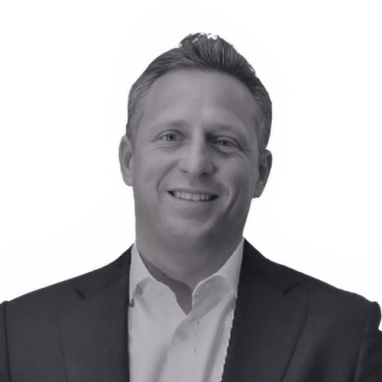
Daniel Harding
Partner
Daniel Harding is a Partner specialising in sales, business development, and client growth across banking and capital markets.
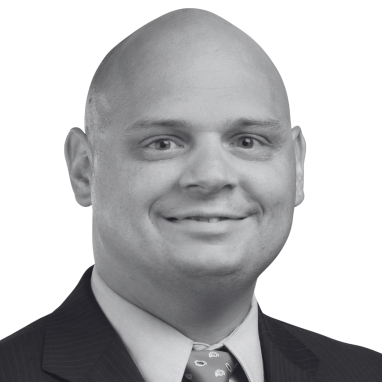
Matthew Pawlowski
Partner
Capital Markets Financial Market Infrastructure
Matthew Pawlowski is a Partner at Davies. He brings more than 20 years of experience across capital markets, operations, and consulting. His expertise spans the full post‑trade lifecycle, including clearing, settlements, custody, regulatory change, and operating model transformation.