Meet Our EGAs: Mike Klein—Mid-Atlantic Adjuster, Umpire & Roof Regulator
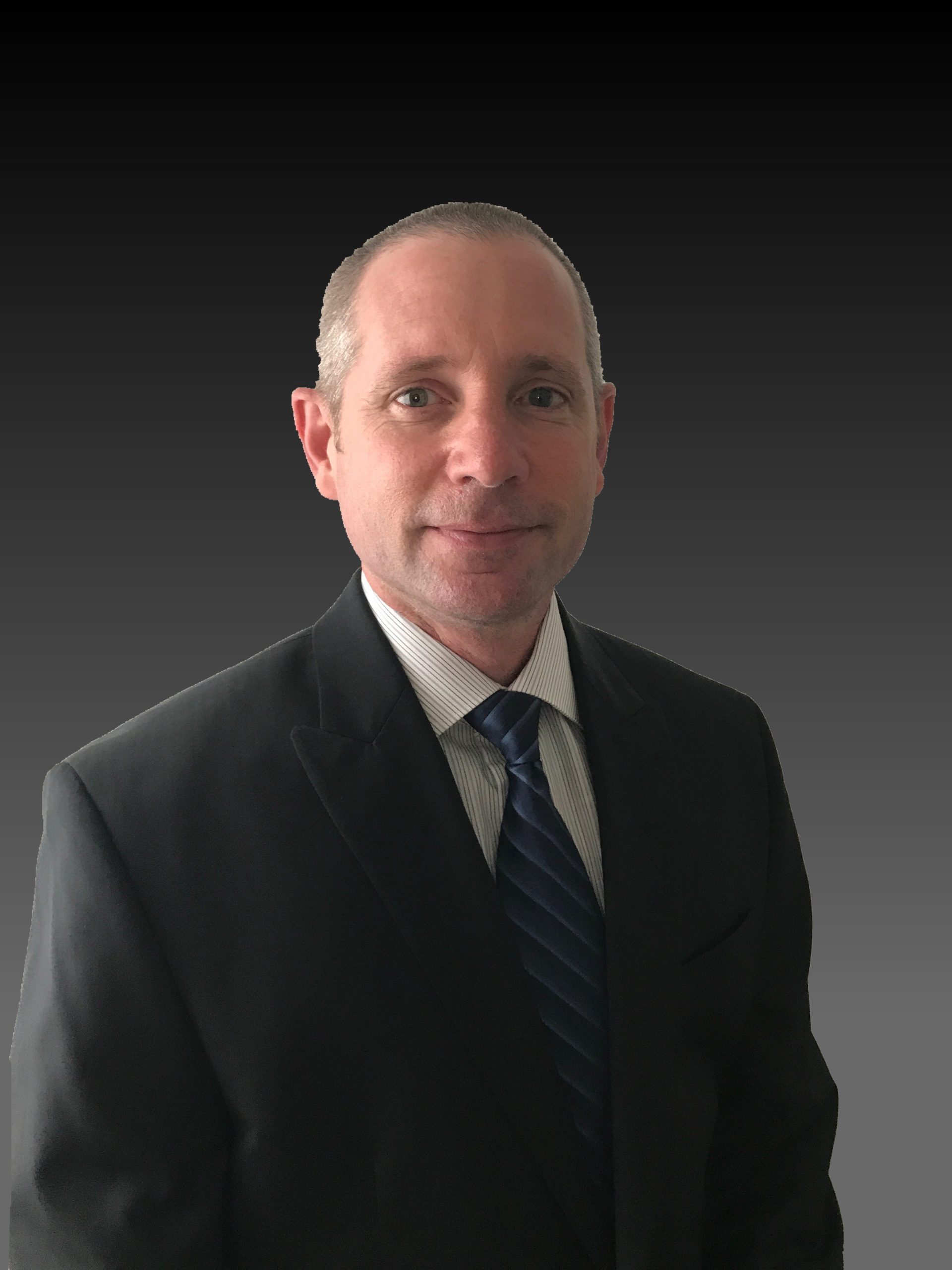
Mike Klein, AIC, AIM, CIA, CIU – Executive General Adjuster
August 6th 2026
 Davies’ Executive General Adjusters are elite among Large Loss & Specialty claims adjusters in the U.S., handling the most complex and costly claims nationally and internationally. In this series, learn more about who they are, what they do, industry trends they’re seeing, and the most interesting project each has worked on to date.
Mike Klein
Quick Background
Since 2010, Mike has worked in property and casualty claims with a focus on high-net-worth residential and commercial property losses. He handles multimillion-dollar claims across the Mid-Atlantic region, specializing in large loss CAT, hurricane and condo claims. He trains property adjusters, and serves as both an appraiser and an umpire. From 2011-2016, he was recognized by Johns Eastern Company as “Adjuster of the Year.”
Home: Millersville, Maryland
Region: Mid-Atlantic
States Covered: Connecticut, Delaware, D.C., Kentucky, Maryland, Massachusetts, New Jersey, New York, North Carolina, Ohio, Pennsylvania, Rhode Island, South Carolina, Tennessee, Virginia and West Virginia
Certifications: NFIP-Certified, HAAG-Certified Roof Inspector
Q&A
You handle multimillion dollar hurricane and condo losses. How do carriers expect field adjusters to document and justify large loss decisions for those?
In virtue of themselves, multimillion dollar claims are among the top percentage of cost drivers for carriers, so they want someone experienced in complex and high-value claims to control the claims costs, maintain communication with the insureds, resolve any disputes and reach settlement efficiently. Retaining a more experienced adjuster at the beginning of the claim is an investment the carriers make as a proactive approach to lessening potential exposure. Larger losses have the tendency to create larger problems which compound and become exponentially more costly.
Being located in Maryland—are there any types of claims you handle a lot in that region?
Most of the larger losses we handle are pipe freeze and fires. Mainly fires—there are lots of fires in D.C. and Baltimore because there are so many residential buildings and apartment complexes. Close to 80 percent of the fires we handle are in apartment buildings. Tenants’ misuse of candles, placing boxes on stoves while moving in, improper disposal of cigarettes, cooking fires and that type of thing. And now we’re getting a lot of lithium battery fires from people overcharging their devices.
You’re an appraiser and an umpire. What’s the difference, and what happens in that process?
Normally an appraiser isn’t needed unless there’s a dispute; meaning that the insurance adjuster and the insured or their representative can’t come to an agreement.
Then, subject to the policy language, either the insurance company or the insured requests an appraisal, and each party chooses their own appraiser. The two appraisers work together and try to come to an agreement on the “cost” of the dispute. If they can’t agree, they choose an umpire to break any impasses. If they can’t agree on an umpire, they compel a court to assist, and a judge appoints the umpire. Then, as umpires, we make the final and binding determination on the scope and cost of repairs, granted one of the appraisers agrees, and we have two out of three signatures within the panel. Finally, the insurance company and the insured must accept it.
As an umpire, are you seeing any patterns in the kind of claims that end up in disputes more frequently?
In my region, roof claims show up the most because there are disputes over full replacement versus repair. Whether there are any shingle matching issues, the number of slopes needing replacement, building code requirements and stuff like that. It’s mostly tied to contractor involvement and scope disputes rather than coverage.
It used to be when hailstorms came through, it seemed like everyone could get a new roof. What are you seeing now?
Roofing has become among the toughest claims to handle when it really shouldn’t be. In Maryland they’ve been doing a lot of ACV (Actual Cash Value) endorsements on policies for roofing instead of covering full replacement. There are some endorsements that remove coverage if the roof is over 20 years old, and they won’t pay for repairs until the roof has been updated.
What’s the most interesting project you’ve ever worked on?
Handling a fire damage claim for a church steeple built entirely of copper. Especially in Maryland, a copper steeple is not a common thing to have on a church. So how are you going to estimate replacing it? Their maintenance crews, specialty inspectors and meI all had to evaluate the damage by climbing through the attic space on roof trusses. I learned it’s very expensive—that loss ended up being around $1.2 million.
Get in touch with Mike to learn more about his service regions and capabilities, and learn more about our overall Specialty Risk Division solutions.
-
June 24th 2026
EGA Insights: Role of Adjusters in Navigating Hurricane & Tornado Deployments
Davies’ Specialty Risk Division Executive General Adjusters are elite among Large Loss claims…
-
June 4th 2026
Meet Our EGAs: J. Abraham Hanze—Coast-to-Coast Complex Claims & Specialty Risk Adjuster
Davies’ Executive General Adjusters are elite among Large Loss & Specialty claims adjusters in the…

-
September 10th 2026
Meet Our EGAs: Greg Thornburg—Florida Adjuster & CAT Coordinator
Davies’ Executive General Adjusters are elite among Large Loss & Specialty claims adjusters in the…

-
September 23rd 2026
Meet Our EGAs: Greg Lingerfelt—Florida Adjuster & Appraiser
Davies’ Executive General Adjusters are elite among Large Loss & Specialty claims adjusters in the…
-
October 6th 2026
Meet Our EGAs: Kyle Markowitz—National General Adjuster
Davies’ Executive General Adjusters are elite among claims adjusters in the U.S., handling…